
Deconditioning Syndrome: How to Recover
News
Deconditioning syndrome refers to a group of symptoms that occur as a result of inactivity or bed rest in a patient. These symptoms can include a decrease in a person’s muscle strength, endurance, and coordination. These changes begin to manifest rapidly during illness, affecting many aspects of health and well-being, including mental health. Therefore, health professionals are increasingly emphasizing the importance of prompt rehabilitation.
The term «deconditioning syndrome» refers to a group of symptoms that develop as a result of prolonged rest. Other names for this phenomenon include hospital deconditioning and posthospital syndrome.
Deconditioning occurs when a person is immobile for a long period of time. Sometimes this is unavoidable due to injury or illness. Even if a person rests more than necessary or does not resume movement, when possible, this can also be harmful. Older people are especially susceptible to deconditioning.
When you are not active, your body begins to divert energy and resources from areas it does not use as much, primarily your muscles and bones. Some body systems, such as the cardiovascular system, also begin to lose efficiency. Some call this the «use it or lose it» principle.
Deconditioning syndrome has no clear criteria, so there is no official list of symptoms. However, a 2024 review states that it is a condition that affects the entire body and can affect a person’s mental and physical well-being.
Deconditioning can lead to:
- weakened muscles;
- deterioration of balance and coordination;
- decreased bone density;
- getting out of breath more easily with activity;
- fatigue or loss of strength;
- dizziness;
- loss of appetite;
- changes in bladder or bowel function, such as constipation or urinary incontinence;
- changes in mood or motivation, which in turn may make it difficult to exercise;
- loss of independence or self-confidence.
According to the British Geriatrics Society (BGS), some people may also experience confusion or an increased risk of falls.
Deconditioning can range from mild to severe depending on a variety of factors, such as the length of inactivity, how much activity you had during the time, your age, and your overall health prior to the illness or injury. However, symptoms of deconditioning should gradually improve as you rehabilitate and recover. If they do not improve or worsen with activity, there may be another cause.
Many systems in the body depend on movement to function properly, so deconditioning can affect the cardiovascular, respiratory, musculoskeletal, and nervous systems, including the brain.
Deconditioning can technically begin within a few hours of inactivity. However, it takes about a week for significant muscle loss to develop. A study of older adults found that after 7 days, weakness began to worsen, and by this point, 37.3% of people met the criteria for sarcopenia. Sarcopenia is the medical term for muscle loss. It is estimated that it takes about twice as long to recover as it would if a person was inactive. So, if a person rests for one week, it may take two weeks of activity to fully recover. However, this can vary depending on the individual and the situation.
Although the process of deconditioning is complex, the solutions are simple. Gradually increasing daily activity and eventually exercise can reverse many of its effects.
However, it can be a difficult process, especially for people with more severe deconditioning or chronic conditions. Physical activity may seem difficult and tiring at first, and it may take time to notice significant improvements.
Therefore, it is important for loved ones and health care professionals to understand the process and support people through the recovery process. A person may need the help of more than one person to improve.
What are some possible strategies?
- Bed exercises.
These movements can help people maintain their muscles even when lying down. If you have a physical injury or a surgical wound, you should consult a doctor before trying these exercises. You can then move on to exercises that can be done while sitting. Also, check with your doctor or physical therapist to see if they are safe if you have an injury.
- Activities of daily living.
If possible, try to get the patient back into activities of daily living, starting small and gradually increasing. This could mean getting up to go to the toilet, washing and changing daily, sitting up in bed or at the table to eat, and preparing food or cleaning. Not only does this aid rehabilitation, it can also increase the patient’s independence and self-confidence.
- Exercise and social activities
Low-intensity exercise can be gradually introduced. Doing this as part of a hobby or social activity can help maintain motivation and also help cope with the isolation that can occur when recovering from an illness or injury.
Because deconditioning occurs quickly and recovery can be a long process, it is helpful for people to try to prevent it where possible. Even small activities can help a person maintain some independence.
If the patient is hospitalised, the hospital staff should be advised of what the person normally does for themselves. This will prevent the need to do things for them, helping them to maintain their independence. If the person needs glasses or hearing aids, make sure they have them in the hospital so they understand what is happening.
Patients should try to continue to do self-care activities where possible. This includes going to the toilet, eating, and dressing themselves.
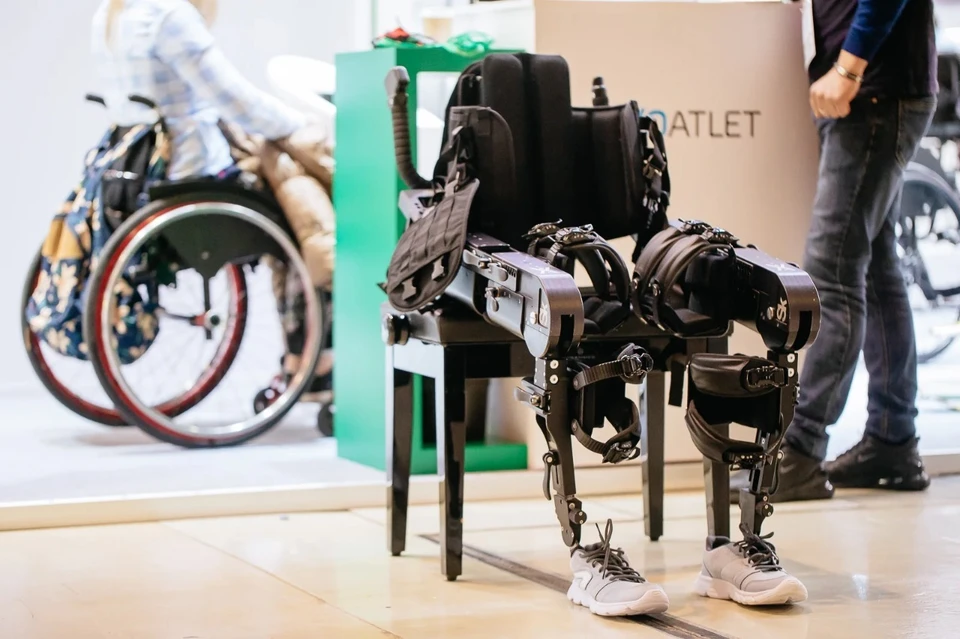
If walking is difficult, consider using assistive devices such as a cane, crutches, or walker to help. When in bed, constantly change the patient’s position. If possible, sit the patient up to do exercises while lying in bed.
It is important for the patient not to overexert themselves, especially if symptoms of a chronic condition are worsened by physical activity. In this case, a doctor should be consulted.
Source: medicalnewstoday.com